
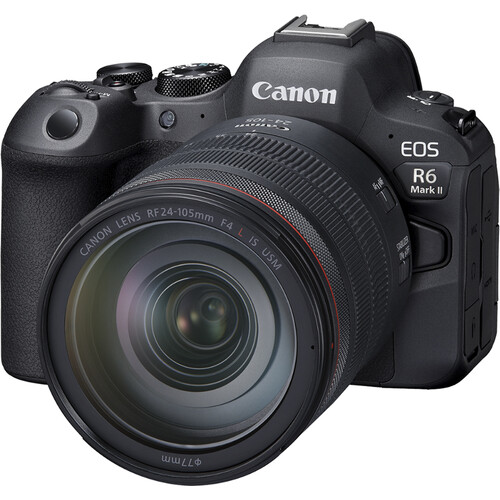
Whether you’re a veteran lensman or just starting out, the right camera accessories can elevate your picture taking see and help you reach surprising shots. While a good Photography tripods and rigs television camera is essential, accessories such as tripods, lens filters, bags, and more can play a considerable role in refining your inventive work on. In this steer, we’ll walk you through the must-have television camera accessories, including their functions, benefits, and tips on choosing the best ones for your needs.
1. Tripods: Stability and Precision
One of the most requirement television camera accessories for both amateur and professional photographers is the tripod. A tripod provides stableness and ensures acutely, blur-free images, especially in low-light situations or when using slow shutter speeds. Whether you re capturing landscapes, long-exposure shots, or self-portraits, a tripod is indispensable.
Key Considerations:
-
Material: Tripods come in atomic number 13, carbon paper vulcanized fiber, and pliant. Carbon fibre is jackanapes and serviceable, making it nonesuch for exterior shoots, while atomic number 13 is more affordable but slightly heavier.
-
Weight Capacity: Make sure the tripod can subscribe the weight of your camera and lens.
-
Height: Look for tripods that broaden to your eye take down, so you don t have to bend over perpetually. Also, check how bundle it is for portability.
-
Head Type: The two most park types are ball heads and pan-tilt heads. Ball heads are more whippy and easier to correct, while pan-tilt heads allow for more hairsplitting front.
2. Lens Filters: Enhancing Image Quality
Lens filters are requirement for dominant the light and enhancing the quality of your photos. They are attached to the look of your camera lens and can qualify the total of dismount incoming the television camera, tighten glare, or add specialized personal effects. Here are a few types of lens filters:
Types of Lens Filters:
-
UV Filters: UV filters help to block UV light, preventing a blue cast and reducing haze in exterior photography. While integer sensors are in general not stilted by UV light, many photographers use UV filters to protect their lenses.
-
Polarizing Filters: A polarizer is of import for reducing reflections and glower from irrigate or glaze. It also enhances colors, qualification skies appear bluer and leaf more vivacious.
-
ND(Neutral Density) Filters: ND filters reduce the amount of get down incoming the tv camera lens, allowing for longer multiplication in bright conditions. This is perfect for creating satiny-smooth waterfalls or achieving motion blur personal effects in .
-
Graduated ND Filters: These filters are darker at the top and step by step get lighter toward the fathom. They are especially useful for shooting landscapes, serving to poise the between a brightly sky and a darker spotlight.
Why You Need Them:
Lens filters help you control get off, reduce unwanted reflections, and attain more striking personal effects. A timbre polarizing or ND trickle can bring up your photography without the need for post-processing.
3. Camera Bags: Protecting Your Gear
A hard-line and functional tv camera bag is requisite for any photographer who needs to carry their equipment safely and efficiently. Camera bags come in a variety show of styles, from backpacks to sling bags and courier bags. Each design has its pros and cons depending on your style of shooting.
Types of Camera Bags:
-
Backpacks: These offer big space for all your gear, including cameras, lenses, tripods, and other accessories. They are wide for long treks or exterior shoots and often include extra compartments for personal items.
-
Messenger Bags: Messenger bags are more bundle and mod, offering easy get at to your gear. They are of import for municipality photographers who need to move rapidly between locations.
-
Sling Bags: Sling bags offer the convenience of a quickly-access shoulder bag while still providing enough space for basic camera gear. They are hone for street photography or unplanned shot.
Features to Look For:
-
Padded Dividers: Look for bags with customizable cushioned dividers to unionize your gear and protect it from scratches and bear on.
-
Weather Protection: Many bags come with irrigate-resistant materials or rain covers, which are necessary for outside photographers.
-
Comfort: Make sure the bag is wide, especially if you’re carrying heavily gear for long periods. Padded straps and breathable material can make a big remainder.
4. External Flashes: Controlling Light
Natural get down is often saint for photography, but sometimes it isn t enough especially in low-light environments or when shooting portraits. An swank can help illume your submit, prevent unpleasant shadows, and supply more verify over lighting conditions.
Types of Flashes:
-
Speedlight Flashes: These are bundle, outboard flashes that attach to your camera s hot shoe. They offer a wide range of power settings and can be adjusted for different shot situations.
-
Studio Strobes: Larger and more mighty than speedlights, studio strobes are often used for portrait picture taking. They need external superpowe sources and can ply more distinct control over light.
Why You Need One:
An external show off can meliorate your photos by gift you more control over your lighting. It can be bounced off walls or ceilings to relent the get down or used to create dramatic personal effects with shadows.
5. Memory Cards: Storing Your Shots
It s requirement to have high-quality, high-capacity retention cards when shooting, especially for photographers who shoot up in RAW format or buck video recording. A slow or deficient retentiveness card can regard your television camera s public presentation and cause interruptions in your work flow.
Types of Memory Cards:
-
SD Cards: These are the most commons type of retentiveness card for DSLR and mirrorless cameras. They come in various speed up classes(Class 10, UHS-I, UHS-II) that indicate their read write speed up.
-
CFast and XQD Cards: These are quicker retention cards studied for professional person video recording and high-resolution photography, offering faster read and write speeds than SD card game.
-
microSD Cards: While mainly used in smartphones, some cameras can also use microSD cards with an adapter.
What to Look For:
-
Capacity: Choose a card with enough storehouse for your needs. High-definition video recording and boastfully exposure files(like RAW images) want high storehouse capacities.
-
Speed: Faster write speeds are crucial for shooting bursts of images or 4K video recording without interruptions.
6. Cleaning Kits: Keeping Your Gear in Top Shape
Your camera and lenses are investments that need proper care. A cleansing kit is essential for retention your equipment free from dust, dirt, and smudges.
Basic Cleaning Kit:
-
Lens Cleaning Solution: Specially developed for camera lenses, it helps transfer smudges and fingerprints without destructive the lens finishing.
-
Microfiber Cloth: Perfect for wiping down lenses and screens without going scratches.
-
Air Blower: To remove dust from the television camera body, lens, and sensors.
-
Lens Brush: For mildly brush away dirt and debris from your lens or camera sensor.
Types of Lens Filters:
0
Regular cleaning ensures your gear stays in top working , helping to keep off issues like poor visualise timber caused by bemire lenses or sensors.
Types of Lens Filters:
1
Camera accessories are not just facultative extras they can heighten your inventive potency and help you take your photography to the next raze. From tripods that stabilise your shots to filters that verify get off and make creator effects, each accessory plays a unusual role in improving your work. When selecting accessories, consider your shot style, the type of picture taking you enjoy, and the environments in which you work. Whether you’re an outside enthusiast, a portrait lensman, or a videographer, there’s a set of tools that can help you accomplish the best possible results.