
Running a general contracting business involves much more than managing crews, ordering materials, and completing projects. Contractors also need to keep accurate financial records throughout the year. Proper records make it easier to calculate income, identify deductible business expenses, prepare tax returns, and respond to questions about financial activity. 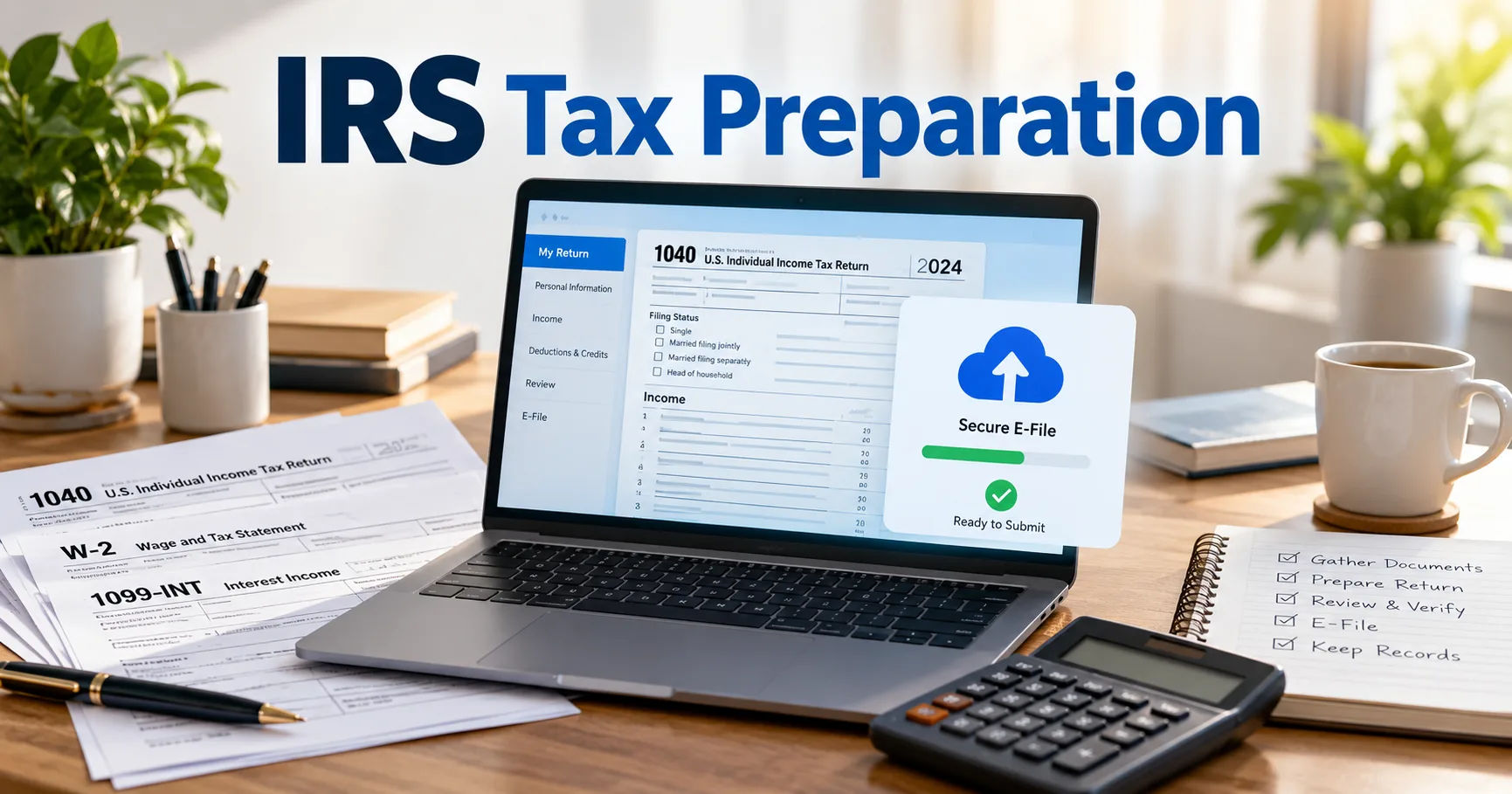 Tax records can become complicated because general contractors often manage several projects at once. A single project may involve materials, subcontractors, equipment rentals, fuel, permits, insurance, payroll, travel, and other costs. When these transactions are mixed together or recorded inconsistently, tax preparation can become stressful.
For contractors who want a simpler approach, Conversational financial management for general contractors without spreadsheets for IRS tax preparation can provide a practical way to organize financial information without relying entirely on complicated spreadsheet systems. The goal is not simply to store receipts. It is to create a reliable record of what the business earned, what it spent, why the expense occurred, and which project it belonged to.
Start With a Clear Recordkeeping System
The first step is deciding where business financial information will be stored. A contractor should have a consistent system for recording income, expenses, invoices, receipts, payments, and other important transactions.
A good system should make information easy to locate months later. It should also allow the contractor or tax professional to understand a transaction without having to reconstruct the entire story.
Conversational financial management for general contractors without spreadsheets for IRS tax preparation focuses on making financial records easier to maintain as part of normal business activity.
The system does not necessarily have to be complicated. What matters most is consistency.
For example, every business expense should have enough information attached to it to explain what was purchased, when it was purchased, how much it cost, and how it relates to the contracting business.
Separate Business and Personal Finances
One of the simplest ways to improve tax record organization is to keep business and personal finances separate.
A dedicated business bank account can make income and expense tracking much easier. A separate business credit card can also help create a clear transaction history.
Mixing personal and business purchases can create unnecessary confusion. If a contractor pays for lumber, fuel, groceries, tools, and personal subscriptions from the same account, determining which transactions belong to the business becomes more difficult.
Separate accounts do not eliminate the need for detailed records, but they create a cleaner starting point.
When personal funds are used for legitimate business expenses, the transaction should be documented properly rather than left unexplained.
Organize Records by Financial Category
General contractors deal with many different types of expenses. Organizing transactions into useful categories makes financial reporting and tax preparation easier.
Common categories may include materials, subcontractor costs, wages, equipment, vehicle expenses, insurance, advertising, office expenses, professional services, permits, utilities, rent, and business travel.
The categories should reflect the contractor's actual business activities.
Conversational financial management for general contractors without spreadsheets for IRS tax preparation can help contractors think about financial information in terms of understandable transactions instead of forcing every detail into a complicated spreadsheet structure.
A category should also be used consistently. If fuel is recorded as vehicle expenses one month and equipment expenses the next month without a reason, year-end reporting can become confusing.
Keep Receipts and Supporting Documents
Receipts are an important part of contractor recordkeeping. A bank or credit card statement can show that money was spent, but it may not provide enough detail about what was purchased or why it was purchased.
A receipt can provide information about the date, vendor, items purchased, and amount paid.
Contractors should preserve receipts for business purchases and keep them organized in a way that makes retrieval easy.
Digital records can be particularly useful because paper receipts can fade, become damaged, or disappear. Contractors can scan or photograph receipts and store them electronically.
However, simply taking photographs is not enough if the files are poorly organized. A contractor should be able to identify the relevant receipt quickly when reviewing a transaction.
Connect Expenses to Specific Projects
Project-based organization is especially valuable for general contractors.
A contractor may work on a kitchen renovation, commercial construction project, roofing job, or remodeling project at the same time. Expenses should therefore be connected to the appropriate project whenever practical.
For example, a receipt for construction materials should ideally identify the project where those materials were used.
This helps the contractor understand project profitability as well as overall business finances.
Conversational financial management for general contractors without spreadsheets for IRS tax preparation can be useful when contractors need to organize transactions around real business activities rather than viewing every expense as an isolated number.
Project-level records can also make it easier to investigate unexpected costs.
If one project suddenly has much higher material costs than expected, organized records can help identify what happened.
Track All Business Income
Expense records receive a lot of attention, but contractors also need accurate income records.
Income may come from deposits, progress payments, final payments, change orders, retainers, or other customer payments.
Every payment should be matched with the appropriate customer and project.
Invoices should also be retained. An invoice can show what the contractor billed, when it was billed, and what work or materials were included.
Payment records should then be compared with invoices so that outstanding balances are visible.
Conversational financial management for general contractors without spreadsheets for IRS tax preparation can support this process by making income information easier to understand and review throughout the year.
Waiting until tax season to determine how much the business earned can lead to avoidable problems.
Maintain Subcontractor Records
Subcontractors are common in the construction industry, which makes subcontractor records particularly important.
A general contractor should maintain appropriate information about payments made to subcontractors. Records may include invoices, contracts, payment dates, amounts, and relevant tax documentation.
Contractors should also understand their federal information-reporting responsibilities for payments to independent contractors. Requirements can depend on the type of payment, recipient, and business circumstances.
Because reporting requirements can change, contractors should verify current requirements with the IRS or a qualified tax professional.
The important recordkeeping principle is simple: every significant subcontractor payment should have documentation supporting the transaction.
Keep Equipment and Tool Records
Construction businesses often purchase or rent tools and equipment.
These transactions should be recorded separately from ordinary supplies when that distinction is useful for the business.
A contractor may purchase power tools, machinery, trailers, ladders, safety equipment, or other assets. Some purchases may have different tax treatment from ordinary operating expenses.
Equipment records should therefore include purchase dates, costs, descriptions, and other relevant information.
Rental records should also be preserved.
Conversational financial management for general contractors without spreadsheets for IRS tax preparation can make equipment-related financial activity easier to review without requiring the contractor to remember every transaction at the end of the year.
Track Vehicle and Travel Expenses Carefully
Vehicles are often essential to contracting work.
Contractors may drive to job sites, suppliers, equipment rental locations, customer meetings, and other business destinations.
Vehicle records should be maintained carefully because personal and business driving may occur in the same vehicle.
Depending on the circumstances and applicable tax rules, contractors may use different methods for calculating vehicle deductions. The necessary records can vary by method.
A mileage log may include the date, destination, business purpose, and mileage for each qualifying trip.
Fuel receipts, repairs, insurance records, and other vehicle documents should also be retained when relevant to the method being used.
Travel expenses should similarly have a clear business purpose and supporting documentation.
Record Payroll and Employee Costs
If a general contractor has employees, payroll records become another major component of tax organization.
Records may include wages, payroll taxes, benefits, workers' compensation costs, and other employee-related expenses.
Payroll documentation should be maintained according to applicable federal, state, and local requirements.
Contractors should also distinguish employees from independent contractors because the classification can affect tax reporting and payroll responsibilities.
A reliable payroll system can reduce manual errors, but contractors should still review payroll information regularly.
Keep Contracts and Customer Documentation
Tax records are not limited to receipts and bank statements.
Contracts, estimates, purchase orders, change orders, and customer agreements can provide important context for financial transactions.
For example, a large payment might look unusual when viewed only on a bank statement. A contract or invoice can explain exactly why the payment was received.
Change orders can be especially important because construction projects often change after the original agreement is signed.
Keeping these documents with the corresponding project records creates a stronger financial history.
Use Consistent Digital File Organization
Digital organization can make tax preparation much easier.
A contractor might create folders for each tax year and then organize documents by category or project.
For example, a project folder could contain contracts, invoices, material receipts, subcontractor invoices, payment records, and change orders.
Another folder could contain general business records such as insurance, office expenses, licenses, and professional services.
The exact folder structure is less important than using the same structure consistently.
Conversational financial management for general contractors without spreadsheets for IRS tax preparation can complement digital organization by helping contractors maintain financial information in a way that is easier to review and understand.
Reconcile Records Regularly
A contractor should not wait until the end of the year to discover that financial records do not match bank activity.
Regular reconciliation can identify missing transactions, duplicate entries, incorrect amounts, and unexplained payments.
For example, if the accounting record shows a $4,500 material purchase but the bank statement shows $4,050, the difference should be investigated.
Regular reviews also make it easier to identify income that was received but never properly recorded.
Monthly reviews are often more manageable than attempting to reconstruct an entire year's activity at once.
Create a Tax-Ready Record Each Month
Monthly organization can turn tax preparation into a routine instead of an annual emergency.
At the end of each month, a contractor can review income, expenses, receipts, invoices, subcontractor payments, bank activity, and project information.
Missing documents can be identified while the details are still easy to remember.
Conversational financial management for general contractors without spreadsheets for IRS tax preparation can be particularly helpful when the objective is to make this monthly process easier for contractors who do not want to spend hours maintaining traditional spreadsheets.
The contractor should also review unusual transactions rather than automatically assigning them to a category.
A short explanation written at the time of the transaction can be valuable later.
Preserve Records Securely
Tax records contain sensitive business and financial information, so security matters.
Digital records should be backed up regularly. Important documents should not exist in only one location.
Cloud storage, external backups, or other reliable systems can help protect records against computer failure, accidental deletion, theft, or physical damage.
Access should also be limited to people who actually need the information.
Contractors should understand applicable IRS record-retention requirements and keep supporting documents for the appropriate period.
The exact retention period can depend on the document and circumstances, so current IRS guidance should be checked rather than relying on one universal number.
Avoid Relying Only on Bank Statements
Bank statements are valuable, but they are not a complete accounting system.
A statement may show that a contractor spent $2,800 at a building supply store. It may not explain whether the purchase was for a particular customer project, general business supplies, equipment, or another purpose.
Supporting documentation fills that gap.
Conversational financial management for general contractors without spreadsheets for IRS tax preparation is designed around the idea that financial information should retain enough context to explain transactions, not merely record dollar amounts.
This distinction becomes particularly important when expenses are large or unusual.
Review Records Before Tax Filing
Before preparing a tax return, contractors should review their records for completeness.
Income should be compared with invoices and payment records. Expenses should be reviewed for missing receipts or unclear descriptions.
Subcontractor records should also be checked for completeness.
Vehicle and equipment records deserve special attention because they may involve specific tax rules.
The purpose of this review is not to create expenses or deductions that do not qualify. It is to ensure that legitimate business activity has been recorded accurately and supported by appropriate documentation.
Conversational financial management for general contractors without spreadsheets for IRS tax preparation can make the review process more straightforward by keeping financial information organized throughout the year.
Know When Professional Help Is Appropriate
A contractor can maintain excellent records and still encounter tax questions that require professional guidance.
Construction businesses can have complicated issues involving equipment, subcontractors, depreciation, vehicles, employees, project accounting, and business structure.
A qualified tax professional can help determine how applicable tax rules affect the contractor's specific situation.
Good records make that professional relationship more productive.
Instead of giving a tax preparer a box of receipts, the contractor can provide organized income records, expense documentation, project information, and supporting documents.
That can reduce the time needed to understand the business's financial activity.
Common Recordkeeping Mistakes to Avoid
One common mistake is recording transactions from memory months after they happened.
Details are easier to forget than most contractors expect.
Another mistake is keeping receipts without identifying their purpose. A receipt may exist, but if nobody remembers why the expense occurred, its usefulness can be limited.
Mixing business and personal expenses is another frequent problem.
Contractors should also avoid deleting financial records simply because a transaction seems insignificant. Small expenses can accumulate, and missing records can make overall financial reporting less accurate.
Finally, contractors should not assume that software automatically makes records correct. Technology can organize information, but the contractor still needs to review transactions and provide accurate details.
How a Conversational Approach Can Simplify Recordkeeping
Traditional financial management often depends heavily on spreadsheets and manual data entry.
That approach can work, but it may become burdensome for contractors who spend most of their time managing projects, crews, customers, suppliers, and job sites.
Conversational financial management for general contractors without spreadsheets for IRS tax preparation offers another way to think about financial organization. Instead of treating bookkeeping as a separate administrative task, the contractor can work with financial information through straightforward questions and responses.
For example, a contractor may want to understand how much was spent on materials during a particular month or which project generated a specific payment.
The usefulness of this approach depends on having accurate underlying financial data.
A conversational system cannot correct missing receipts, incorrectly entered amounts, or undocumented transactions by itself.
The records still need to be complete and accurate.
Build a System That Works All Year
The best recordkeeping system is one that a contractor will actually use.
A complicated process that gets ignored is less useful than a simple process followed consistently.
Contractors should establish routines for capturing receipts, recording payments, categorizing expenses, documenting project information, and reviewing financial activity.
Conversational financial management for general contractors without spreadsheets for IRS tax preparation can fit into this routine when contractors want an easier way to interact with their financial information.
The key is to make recordkeeping part of normal business operations instead of something reserved for tax season.
Conclusion
General contractor tax records should be organized around accuracy, consistency, documentation, and easy retrieval. Income, expenses, receipts, invoices, subcontractor payments, equipment, vehicles, payroll, contracts, and project information should all have a clear place in the recordkeeping system.
Conversational financial management for general contractors without spreadsheets for IRS tax preparation can help simplify the process, particularly for contractors who find traditional spreadsheets difficult to maintain. However, the technology or system used is only one part of good tax preparation. Accurate source documents and consistent financial practices remain essential.
Conversational financial management for general contractors without spreadsheets for IRS tax preparation works best when financial information is captured throughout the year rather than reconstructed at tax time.
A contractor should separate business and personal finances, preserve supporting documents, connect expenses to projects when appropriate, reconcile accounts regularly, and protect digital records with reliable backups.
Conversational financial management for general contractors without spreadsheets for IRS tax preparation can also make it easier to identify missing information before tax filing begins.
The objective is not to create mountains of paperwork. It is to maintain a clear financial history that explains where business money came from, where it went, and why each transaction occurred.
Conversational financial management for general contractors without spreadsheets for IRS tax preparation should therefore be viewed as part of a broader recordkeeping strategy rather than a replacement for accurate documentation.
When records are organized throughout the year, tax preparation becomes a more structured process. Contractors can spend less time searching for receipts and more time understanding the financial performance of their businesses.
Conversational financial management for general contractors without spreadsheets for IRS tax preparation can support that organization by making financial information easier to review in plain language.
Ultimately, the strongest system is one that keeps records complete, understandable, secure, and ready for review. General contractors who establish that habit early can approach tax season with substantially less confusion and a much clearer picture of their business finances.
Conversational financial management for general contractors without spreadsheets for IRS tax preparation provides a practical framework for contractors seeking a more accessible approach to financial organization while still maintaining the documentation needed for responsible tax preparation.